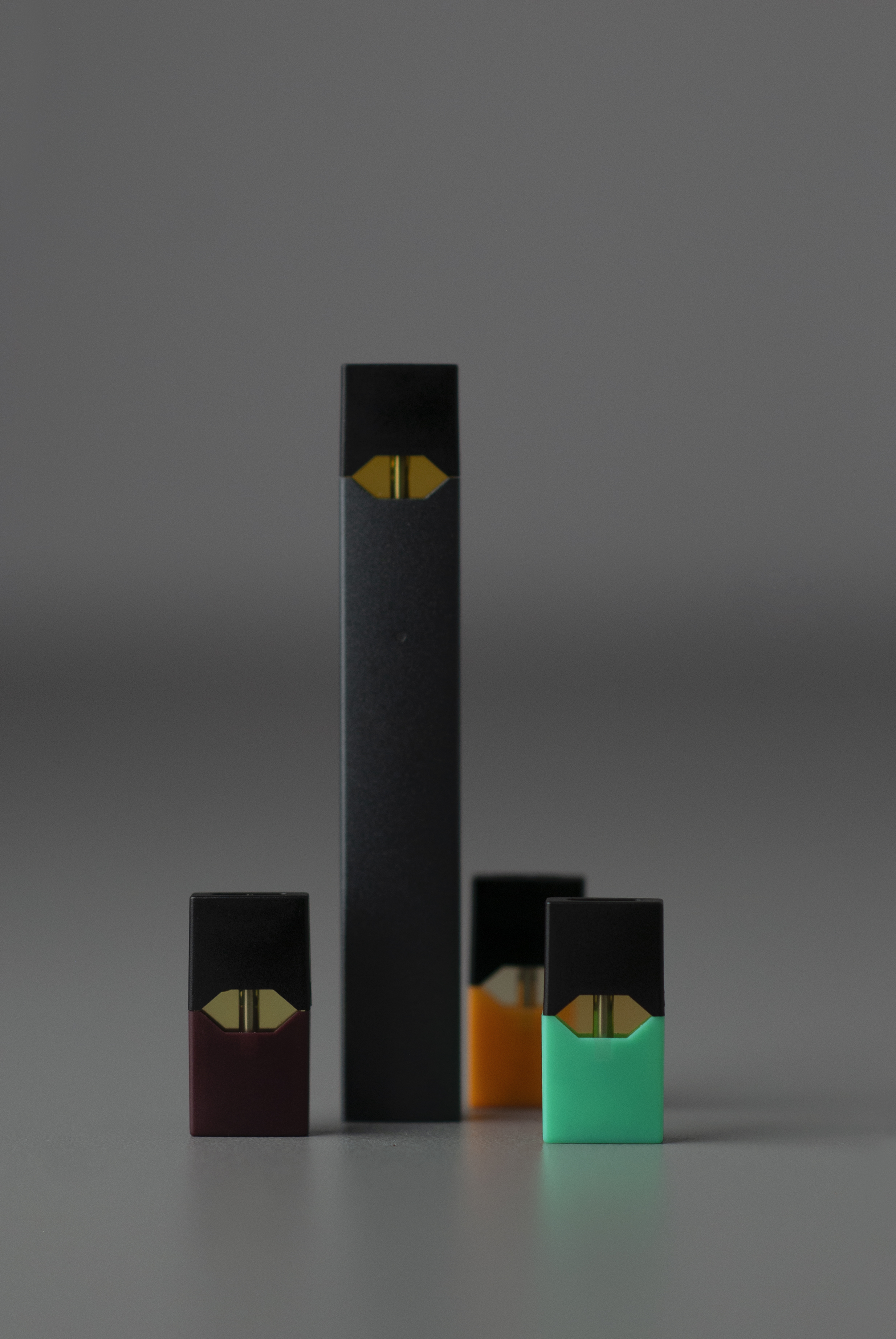
Three years after ditching suspensions as its primary response to student vaping, the Shawnee Mission School District says its treatment-first approach is gaining ground.
The district's Vape Awareness and Wellness Education Plan now employs 22 trained tobacco treatment specialists across its schools. The district reported the current count to KCTV5, though the original plan presented to the board of education on Dec. 4, 2023, called for 17 positions. The program is funded by a $738,600 legal settlement split between e-cigarette maker Juul ($573,600) and co-defendant Altria ($165,000).
The policy change is clear. Instead of sending students home for using tobacco products on campus, specialists work with them to quit.
"The geek bar now is anywhere from thirty thousand to fifty thousand puffs," Teresa Denk Smajda, the district's student wellness specialist, told KCTV5 on Aug. 20. "I try to challenge adolescents or anyone to think about what that would look like if you were carrying around cigarettes."
Denk Smajda, a registered nurse practitioner and former labor and delivery nurse, said a single vape device delivers nicotine equivalent to 3,000 to 5,000 cigarettes. She developed teaching materials now available on the district's website and helped train the specialists, who are certified through the University of Kansas School of Medicine's Tobacco Treatment Specialist program.
How the money is spent
The settlement funds a four-year budget estimated at $737,000. The largest line item is salary for the district wellness and cessation specialist at $320,000, followed by $215,000 in supplies, $138,000 in extra-duty pay for building-level specialists, $24,000 for professional development, $20,000 for certified substitutes and $20,000 for consultant support.
The plan rests on three pillars: general wellness education for all students, targeted prevention programming for upper elementary through high school, and direct cessation support for students already using tobacco. Prevention efforts include Resist Clubs funded at $2,000 per year at each of the district's six high schools and $1,000 per year at five middle schools.
What comes next
Denk Smajda said the program's next step is launching student-led support groups aimed at building peer culture around staying tobacco-free. No specific start date has been announced.
She said vaping and nicotine pouch use among students often stems from adverse experiences behind the scenes, and the program aims to address underlying mental health issues alongside the physical addiction.
Dr. Steve Lauer, clinical service chief for pediatrics at the University of Kansas Health System, urged parents on Aug. 11 to talk directly with their children about vaping before the school year begins.
The district also encourages parents to build open communication about school problems generally, saying students who feel comfortable discussing issues at school are more likely to be honest about tobacco use.
The SMSD Board of Education's next regular meeting is Aug. 24.