The United States has lost its measles elimination status, and Johnson County health officials are urging residents to check their vaccination records.
The Pan American Health Organization announced the change on Tuesday, Nov. 17, according to the Johnson County Department of Health and Environment. The U.S. had held measles elimination status since 2000, meaning the virus was no longer spreading continuously within the country, though travelers could still bring it in and cause outbreaks.
Losing that status means a chain of measles transmission has continued for at least 12 months, the department said. It does not mean measles is spreading in every community, but it does mean the virus has more opportunities to take hold.
In a county-published message, health department director Charlie Hunt urged families to check their immunization records and consult a healthcare provider about missing vaccinations.
What it means locally
The school survey puts Johnson County kindergarteners above the 95% vaccination benchmark used by public health officials. It does not measure immunity throughout the county, and lower vaccination rates within individual groups can still leave opportunities for outbreaks.
Public health officials aim for at least 95% MMR vaccination coverage to help prevent sustained spread. Johnson County is meeting that goal overall, the department said, but a county average can mask groups with lower coverage where an outbreak could grow.
Who is most at risk
Measles spreads through the air and can linger for up to two hours after an infected person leaves a room, according to the health department. It can cause pneumonia, brain swelling and death. Young children, pregnant women and people with weakened immune systems face the highest risk of complications.
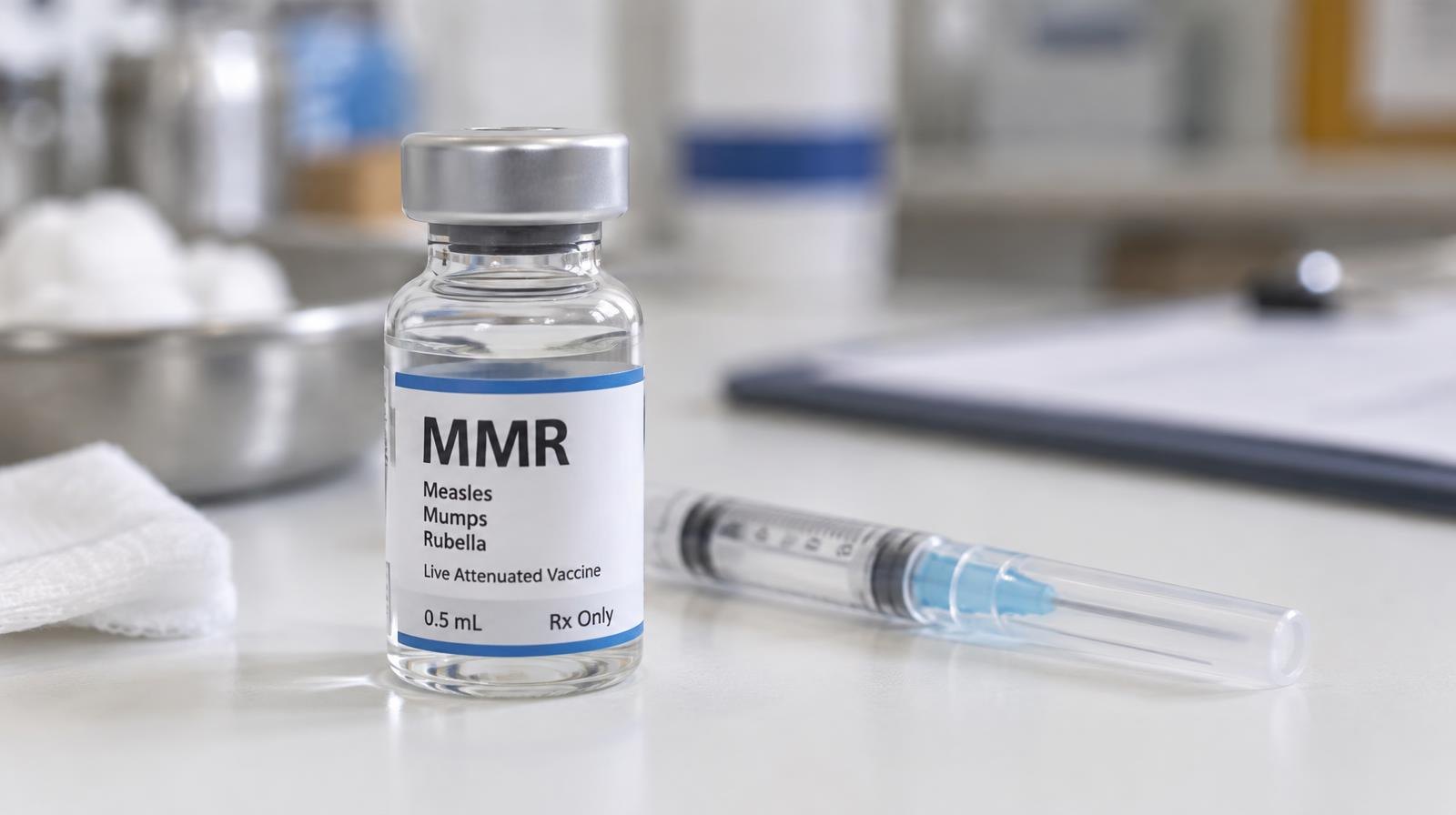
Two doses of the MMR vaccine are about 97% effective at preventing measles, the department said.
What residents can do
The health department recommends residents take several steps:
- Review family vaccination records. Children routinely receive MMR doses at 12-15 months and 4-6 years.
- Adults should ask a healthcare provider about their own immunity. Some adults need two doses.
- Families planning international travel should ask about early doses for babies ages 6-11 months.
- Anyone with a possible exposure should call a healthcare provider promptly. If symptoms such as fever, cough, red eyes and a rash develop, call before entering a healthcare facility so staff can protect others.
Under Kansas statute, people exposed to measles who are not immune should quarantine for 21 days following the last exposure, according to the department's measles information page.
MMR vaccination is available at the Olathe walk-in immunization clinic, Monday through Thursday from 8 a.m. to 4 p.m. and Friday from 8 a.m. to 2 p.m. Residents can also search their immunization records through the Kansas WebIZ Public Portal at myvaccinerecord.ks.gov or call the Kansas Immunization Program at 1-877-296-0464.